“I am proud of you”

Book Cover designed by Colleen Sheehan
Pictures provided by Dawn O’Dell
what’s new?
THE 411
I moved to Los Angeles. I am doing many things. If you have a media project that you need accelerated, supported, manifested, whatever, send it my way. I’m truly doing it all.
Fred, my debut book is coming out this spring. I have heard nothing but positive things from people who really don’t want to hurt my feelings so it MUST be good, right?
We’re now in the final mode, which is, all at once, production, design, marketing, and proofreading. I’m doing fine.
If you missed your opportunity to order during the pre-order campaign, please drop a note below and I’ll keep you updated!
Looking for a little teaser? Check out the campaign video to my southwest.
Book Inquiries
Appears on
I wrote a course last year!
If you follow me on Instagram, you know that I am hosting a seminar for people to fill time during the social distancing period of coronavirus. For $30 (or less or more if you can’t/can spare it) you’ll have access to the 6 week online course, you’ll have readings, reflections, and a final assignment that is totally up to you in terms of form and content (I’m a writer, but YOU need not be a writer). Check out the syllabus, then let me know if you’re interested in assigning this course to students, avid adult learners, etc.


New ConTENT
ESSAY
Video
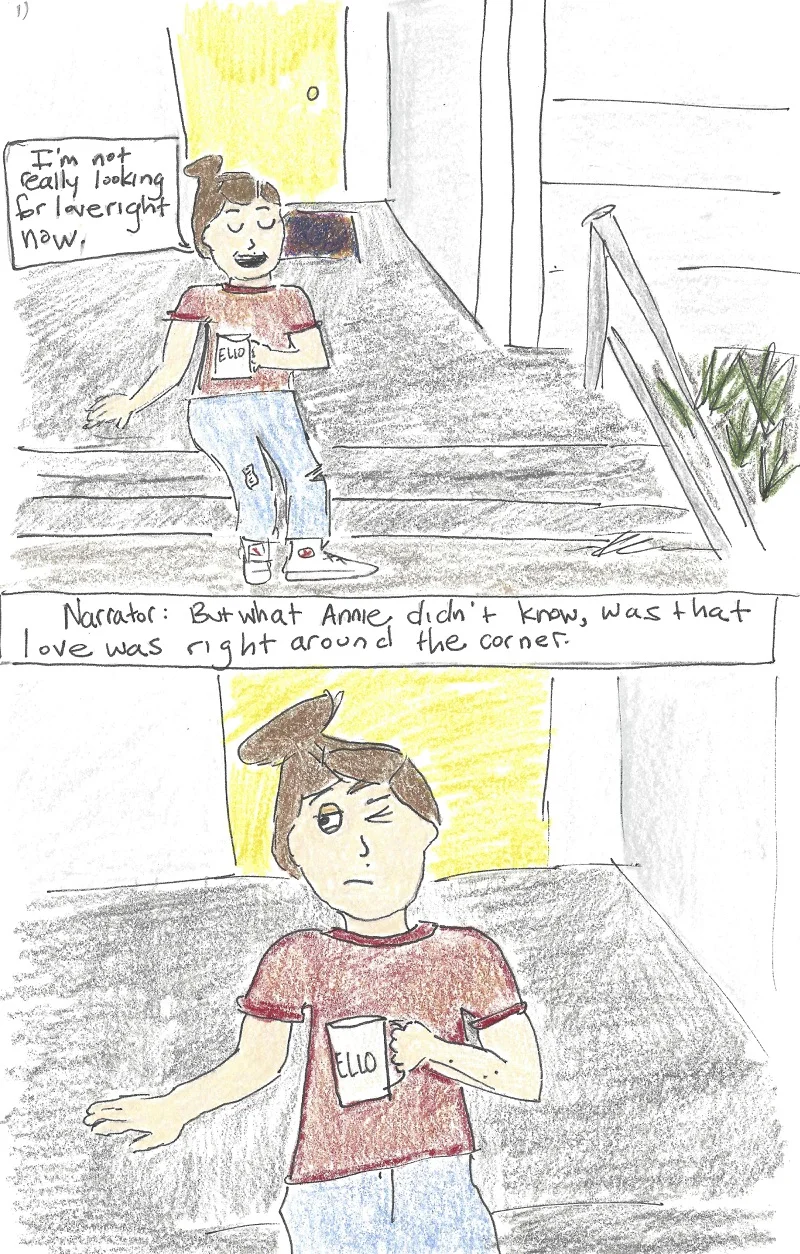
Cartoon
2018 was a banner year for queers in film - a fact upon which The Atlantic’s Spencer Kornhaber has already dutifully reported. While we’ve seen queer people portrayed in movies before, in major roles even (think Milk, Brokeback Mountain, Transamerica), what this years movies have in common, as Kornhaber notes, is that they focus on coming out and the declaring of one’s nascent queer self.
This storyline has been much awaited. Even the most queer-centric films of the past have presented queer characters in a state of being that is taken for granted, encouraging audiences to see queerness as a binary of existence or non-existence: there are gay people in the world and here they are. For liberal audiences, this characterization is an opportunity to declare sympathetic allegiance to the marginalized.
In the presence of more side-lined roles, this is an opportunity for stereotyping and segregation. Growing up, many movies and television shows I watched depicted the insidiousness of lesbianism as a threat. Typically this was in the form of a character who, for the purposes of slap comedy, presents her sexuality with such brazen confidence one might mistake her for a straight white man. I assumed that queer people were so self-possessed that they simply came into being - and then came to fuck up your straight life.
Alternately, lesbianism appeared in the form of punishment for failing to be the right kind of woman. Liz Lemon is appalled Jack Donaghy set her up on a date with his female friend; he explains his assumption of her sexuality by pointing to her sneakers that are “definitely bicurious.” That was how the media depicted sexuality before I was ready to accept my own queerness. No wonder it took me so long to say those words aloud.
What this year’s films have done well is presenting gay people in a state of change that almost all queer people have had to confront (if not in action, then at least in contemplation): coming out of the closet.